After years of styling brides for different wedding themes, venues, and cultures, I’ve learned one truth that never changes: a bridal look is only as strong as the harmony between its elements. Even the most expensive gown can lose its impact when styling decisions are rushed, mismatched, or poorly planned. Bridal styling is not about individual pieces standing out; it’s about how everything works together to tell one cohesive story.
Many brides focus heavily on the dress, assuming everything else will “fall into place.” Unfortunately, that assumption is one of the biggest reasons bridal styling mistakes happen. Hair, makeup, accessories, shoes, and even posture all influence how polished or unbalanced a bride appears on her wedding day.
This article is designed to help brides understand the most common bridal styling mistakes that ruin the overall look and, more importantly, how to avoid them. My goal is not to overwhelm but to guide, using real-world experience from weddings where small styling missteps had a noticeable visual impact.
Understanding Bridal Styling as a Complete Look, Not Separate Pieces
One of the most common bridal styling mistakes I see is treating each element of the look as a separate decision. The dress is chosen first, then accessories weeks later, followed by hair and makeup trials that don’t fully consider the full outfit. When styling is done in isolation, the final look often feels disjointed rather than intentional.
Bridal styling should always be approached as a complete visual picture. The gown sets the foundation, but the neckline influences the jewelry, the fabric affects the hairstyle, and the overall silhouette should guide makeup intensity. When these elements are not aligned, the bride may look overdressed in some areas and underwhelming in others.
I always advise brides to visualize their entire look early on. This includes thinking about how the dress moves, how it photographs, and how accessories will interact with it in real life. A cohesive bridal look feels effortless, even when it’s intricately styled.
Choosing a Dress That Doesn’t Match the Wedding Theme or Venue
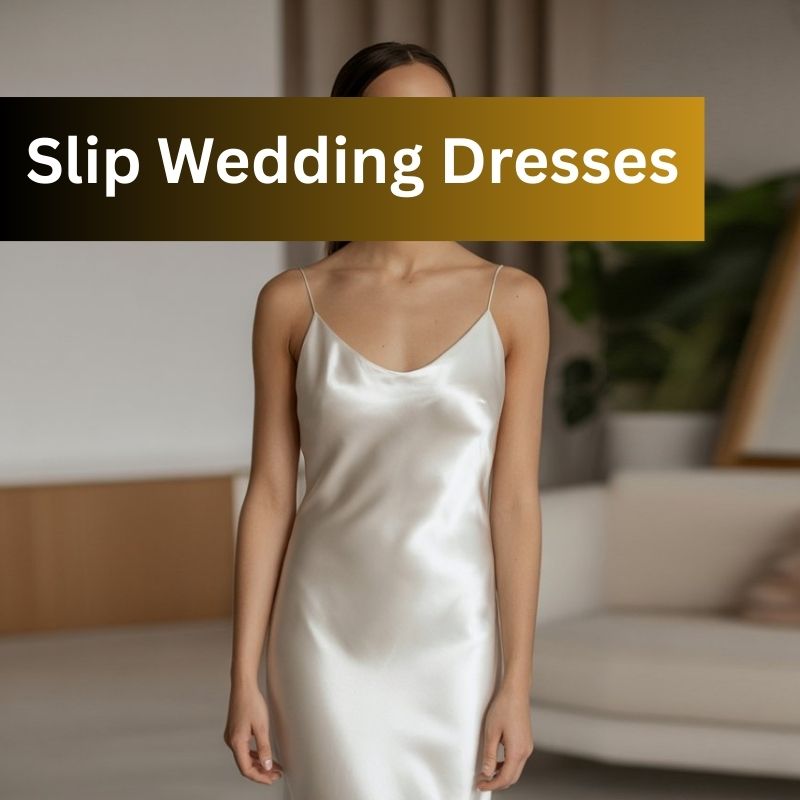
A stunning wedding dress can still be the wrong choice if it doesn’t align with the wedding setting. One of the most damaging bridal styling mistakes is ignoring the venue and theme entirely. I’ve seen heavily embellished ball gowns worn at intimate beach weddings and minimalist slip dresses chosen for grand ballroom ceremonies, and the mismatch is always noticeable.
The venue sets the tone for the bridal look. A garden wedding calls for softness and flow, while a cathedral ceremony can support structure and drama. When the dress clashes with the environment, the bride often looks out of place rather than elevated by the setting.
To avoid this mistake, brides should consider the following before committing to a dress:
-
The formality of the venue
-
Indoor versus outdoor conditions
-
Cultural or traditional expectations
-
Overall wedding aesthetic
When the dress complements the setting, the entire bridal look feels intentional and visually satisfying.
Ignoring Body Proportions When Selecting the Wedding Dress
Another styling mistake that quietly ruins the overall bridal look is choosing a dress based solely on trends or online inspiration without considering body proportions. Not every silhouette flatters every body type, and ignoring this can lead to discomfort and awkward visual balance.
As a decorator and stylist, I focus on how a dress enhances natural proportions. The right gown highlights strengths and creates harmony, while the wrong one draws attention to areas the bride may feel insecure about. This isn’t about changing a body but about dressing it thoughtfully.
When body proportions are ignored, brides often compensate with heavy accessories or dramatic hairstyles, which only adds to the imbalance. A well-chosen silhouette reduces the need for overstyling and allows the bride’s confidence to shine naturally.
Overdoing Embellishments and Accessories
More is not always better, especially in bridal styling. One of the most common mistakes I see is over-accessorizing an already detailed gown. Heavy earrings, layered necklaces, ornate headpieces, and embellished veils can compete rather than complement.
When too many statement pieces are worn together, the eye doesn’t know where to focus. Instead of looking polished, the bride’s overall look becomes visually noisy. This often distracts from the dress itself, which should remain the centerpiece.
I always recommend choosing one focal point:
-
Either statement earrings or a statement necklace
-
Either a dramatic veil or an elaborate hairstyle
-
Either detailed shoes or a detailed dress hem
Intentional restraint is what creates elegance. A well-edited bridal look always photographs better and feels more timeless.
Wearing the Wrong Undergarments for the Chosen Dress
Undergarments are rarely discussed openly, yet they play a critical role in bridal styling. One of the most damaging mistakes is wearing undergarments that don’t support the structure of the dress. Visible lines, slipping straps, or poor support can completely ruin the silhouette.
Different dresses require different solutions. Strapless gowns need proper support, fitted dresses need seamless foundations, and lightweight fabrics need invisible underlayers. Ignoring this step often leads to constant adjustments throughout the day, which affects posture and confidence.
I always encourage brides to finalize undergarments before alterations. This ensures the dress fits correctly and maintains its intended shape from ceremony to reception.
Poor Fit and Last-Minute Alteration Mistakes
Even the most beautiful dress loses its impact if it doesn’t fit properly. Poor fit is one of the biggest bridal styling mistakes that instantly ruins the overall look. Dresses that are too tight, too loose, or improperly hemmed create visual distraction and discomfort.
Last-minute alterations are especially risky. Rushed tailoring often results in uneven seams, awkward bust lines, or restricted movement. Brides may not notice these details in the mirror, but they are painfully obvious in photographs.
A well-fitted gown allows the bride to move gracefully and stand confidently. Proper alterations take time, and skipping this process is never worth the risk.
Choosing a Hairstyle That Competes With the Dress
Hair is one of the most powerful elements of bridal styling, yet it’s often chosen without enough consideration for the dress. One mistake I frequently see is selecting a hairstyle that competes with the gown instead of supporting it. When both the dress and the hair demand attention, the overall look feels overwhelming rather than elegant.
Highly detailed gowns with lace backs, illusion necklines, or heavy embellishments benefit from simpler hairstyles that allow the dress to shine. On the other hand, minimalist dresses can carry more dramatic hair choices without looking unbalanced. When this harmony is missing, the bridal look feels chaotic.
I always advise brides to view their hairstyle as a framing tool. The goal is to enhance facial features while complementing the gown’s structure. When hair and dress work together, the result is effortlessly refined.
Makeup That Overpowers or Washes Out the Bridal Look
Makeup mistakes can drastically affect how a bride looks in person and in photographs. One common error is going too heavy in an attempt to appear glamorous, which can harden facial features and make the bride look unlike herself. The opposite mistake is going too natural, resulting in a washed-out appearance under bright lighting.
Bridal makeup should strike a careful balance. It needs enough definition to photograph well while still looking soft and natural up close. Skin finish, eye intensity, and lip color should all align with the wedding’s style and time of day.
From experience, makeup trials are essential. Brides should test their makeup in natural light, artificial light, and photography settings. This step alone prevents many bridal styling regrets.
Ignoring the Neckline When Selecting Jewelry
Jewelry should always be chosen in response to the neckline of the dress, not personal preference alone. One of the most common bridal styling mistakes is wearing a necklace that clashes with the gown’s cut. This draws attention away from the bride’s face and disrupts the visual flow.
High necklines often need no necklace at all, relying instead on statement earrings. Strapless or sweetheart necklines can support more prominent pieces, while V-necks benefit from delicate drops that mirror the shape.
When jewelry complements the neckline, it feels intentional rather than forced. This subtle detail plays a major role in creating a polished overall look.
Uncomfortable Shoes That Affect Posture and Confidence
Shoes may seem like a minor detail, but uncomfortable footwear can ruin a bridal look faster than expected. Brides who struggle to walk, stand, or dance comfortably often adopt poor posture, which shows in photos and body language.
Extremely high heels, stiff materials, or shoes that haven’t been broken in can cause visible discomfort. This tension affects how the bride carries herself, making even the most beautiful dress look less graceful.
I always recommend prioritizing comfort alongside style. A confident, relaxed bride always looks better than one distracted by pain, regardless of heel height.
Clashing Metals, Fabrics, or Textures
Visual inconsistency is another styling issue that subtly ruins the overall look. Mixing too many metals, fabrics, or textures without intention can make the bridal outfit feel uncoordinated. This often happens when accessories are purchased separately over time.
For example, combining warm gold jewelry with cool-toned embellishments or mixing delicate fabrics with heavy accessories creates visual tension. While contrast can be beautiful, it must be controlled.
A cohesive palette of materials ensures the bridal look feels thoughtfully curated rather than accidentally assembled.
Not Testing the Full Bridal Look Before the Wedding Day
One of the biggest mistakes I see is brides never fully testing their complete look before the wedding day. Hair, makeup, dress, shoes, and accessories should all be worn together at least once before the event.
Without this trial, unexpected issues often arise:
-
Jewelry that snags the dress
-
Hairstyles that collapse under the veil
-
Shoes that alter dress length
-
Makeup that clashes with lighting
A full trial allows time for adjustments and eliminates unnecessary stress on the wedding day.
Following Trends Instead of Personal Style
Trends can inspire, but relying on them too heavily is a common bridal styling mistake. What looks stunning on social media may not reflect the bride’s personality, comfort level, or wedding aesthetic.
When a bride feels disconnected from her look, it shows. Confidence is the most powerful styling element, and it can’t be achieved by forcing a trend that doesn’t feel authentic.
Timeless styling always outperforms trend-driven decisions. The most memorable brides are those who look like the best version of themselves.
Forgetting About the Groom’s Look and Overall Visual Balance
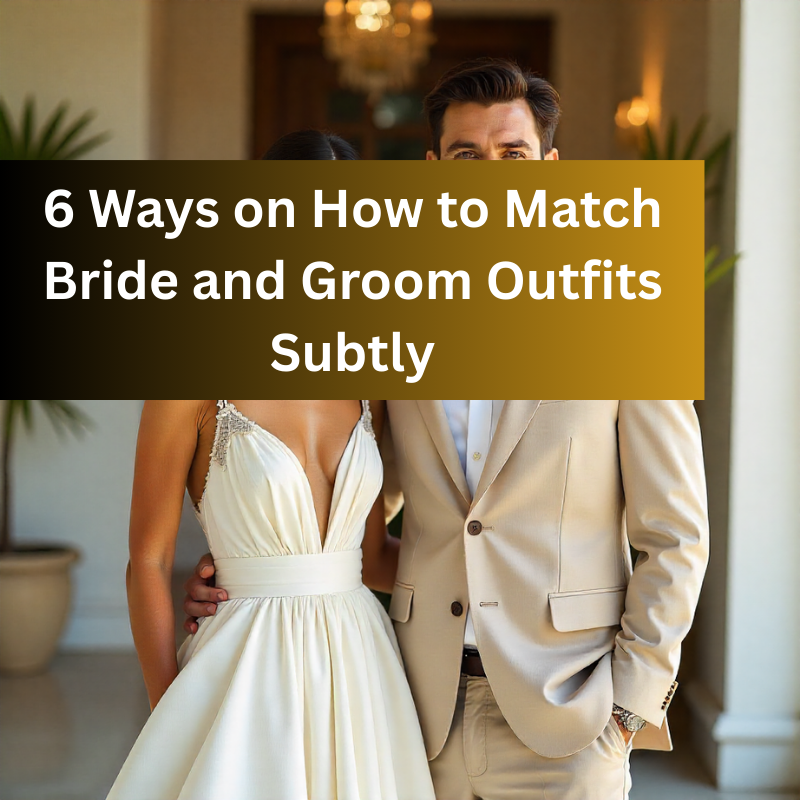
Bridal styling doesn’t exist in isolation. The bride and groom are visually connected throughout the day, and ignoring this relationship can disrupt the overall aesthetic. When styles clash, the wedding photos lose cohesion.
This doesn’t mean outfits must match, but they should complement each other in formality, color tone, and overall vibe. Balance between both looks enhances the visual storytelling of the wedding.
Weather and Season-Related Styling Mistakes
Ignoring weather conditions is a practical mistake that affects both comfort and appearance. Heavy fabrics in hot climates, dark makeup in extreme heat, or inadequate layering in cold seasons can all impact the bridal look.
Season-appropriate choices ensure the bride remains comfortable and composed throughout the day. Comfort directly influences confidence, which is always visible.
How Lighting and Photography Affect Bridal Styling Choices
Lighting plays a major role in how bridal styling translates on camera. Certain fabrics, makeup finishes, and accessories react differently under natural or artificial light.
Glossy makeup can reflect flash, while overly matte finishes may appear flat. Similarly, some fabrics photograph beautifully, while others wrinkle or glare.
Considering photography during styling decisions ensures the bridal look remains flawless in both real life and captured memories.
Simple Ways to Fix or Avoid Bridal Styling Mistakes
Most bridal styling mistakes are preventable with intentional planning. Brides can protect their overall look by:
-
Planning the full outfit early
-
Prioritizing fit and comfort
-
Scheduling trials and test runs
-
Seeking professional guidance
These steps transform styling from stressful to seamless.
Conclusion
A flawless bridal look is never accidental. It is the result of thoughtful decisions, experience-backed guidance, and attention to detail. When styling is approached holistically, the bride doesn’t just look beautiful—she looks confident, balanced, and unforgettable.
Avoiding bridal styling mistakes is less about perfection and more about intention. When every element works together, the overall look tells a story that feels authentic, elegant, and timeless.