As a wedding decorator who has worked closely with brides, photographers, and stylists for years, I’ve learned that bridal beauty and photography are inseparable. The way a bride looks directly impacts how she appears in photos, and it can either enhance or diminish the emotional storytelling captured in each frame.
Bridal beauty is more than makeup and hair; it’s about preparation, skincare, and knowing how features interact with lighting, angles, and the camera lens. A bride might feel flawless in person, but without intentional beauty planning, photographs can reveal uneven skin tones, harsh shadows, or makeup that doesn’t translate well on camera.
Understanding the connection between beauty and photography empowers brides to make choices that enhance their appearance in photos, ensuring their memories look as perfect as they feel. This article will guide you through the ways bridal beauty affects wedding photography and how careful preparation can make all the difference.
How Skin Prep Impacts Photographs:
Healthy, radiant skin is the foundation of all beautiful bridal photographs. I’ve seen brides who invested weeks into skincare routines look effortlessly luminous in their photos, while others who neglected prep sometimes appeared tired or uneven under camera lighting.
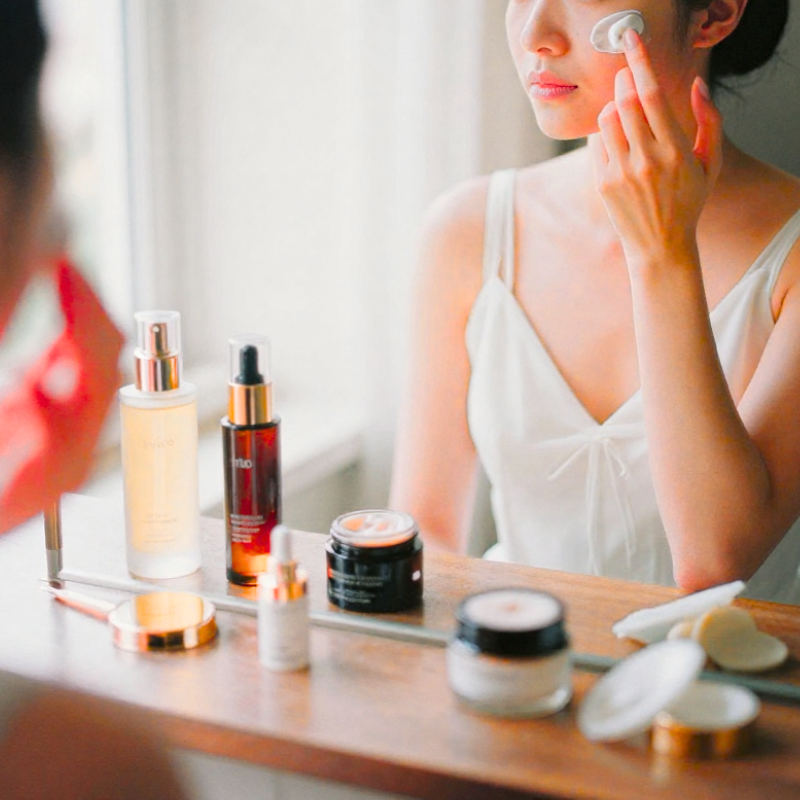
Skincare routines that include cleansing, exfoliation, and proper hydration ensure that makeup sits smoothly and that natural glow is enhanced. Brides with dull or dry skin often notice that makeup can cling unevenly, resulting in patchy areas or flashback in photos.
I always advise brides to start skincare early—ideally 6–8 weeks before the wedding. This allows the skin to adjust to products, heal from any blemishes, and achieve a natural radiance. In my experience, a well-prepped complexion not only looks amazing on camera but also boosts the bride’s confidence, which translates into more natural, relaxed poses in photographs.
The Role of Makeup in Highlighting Facial Features on Camera
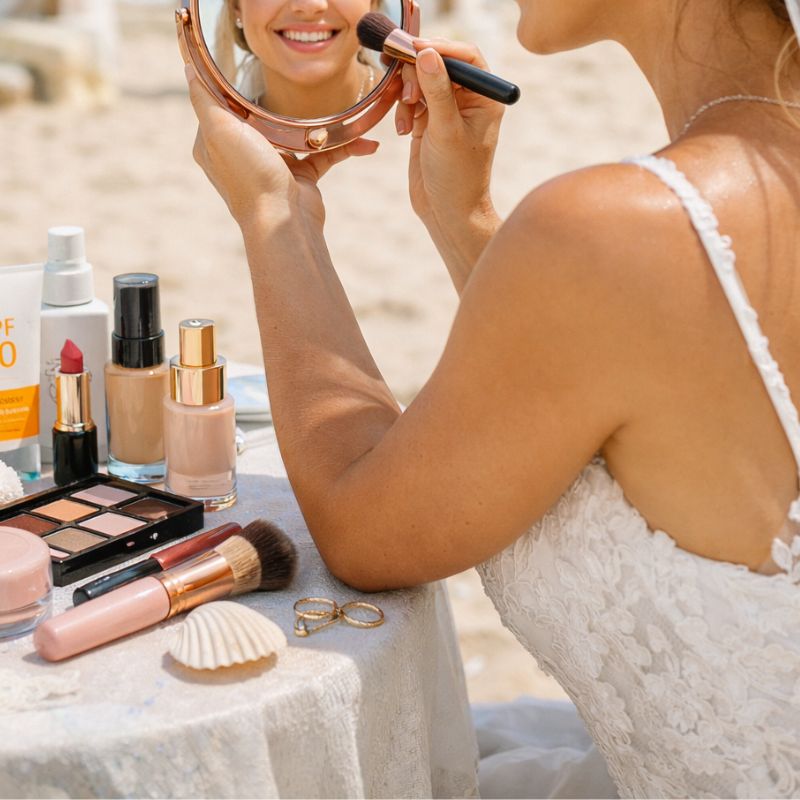
Makeup is one of the most critical elements that directly influences how a bride appears in photographs. Light, natural makeup can look beautiful in person but sometimes appears washed out under flash photography or bright sunlight. On the other hand, makeup that is too heavy may appear cakey or harsh.
Choosing the right foundation, concealer, and blush shades is essential to match the bride’s skin tone and undertone. Highlighting and contouring subtly sculpt the face and enhance features like cheekbones, jawline, and eyes—adding dimension that photographs beautifully.
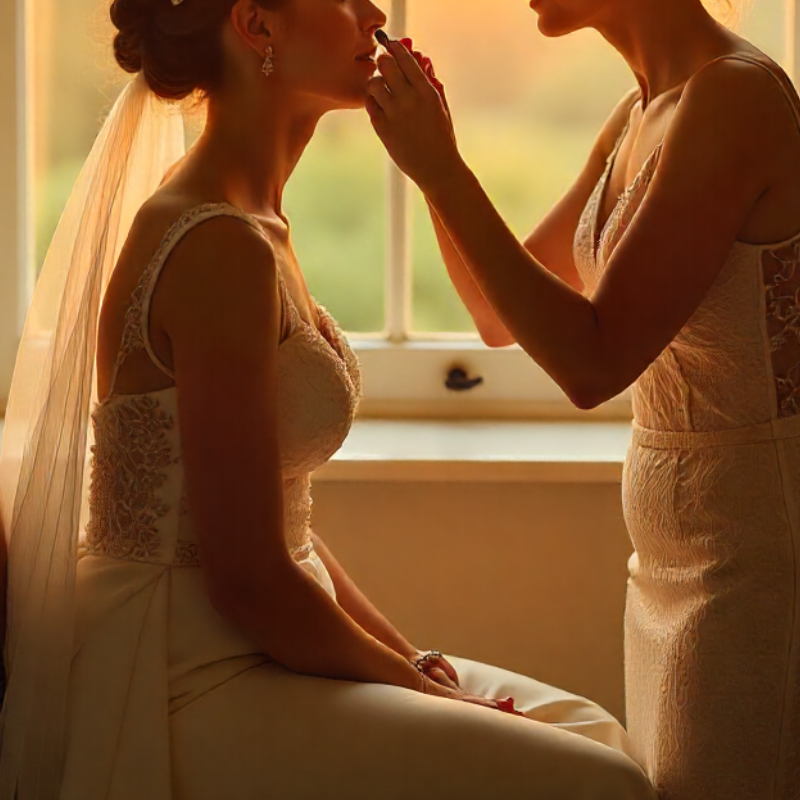
Eye makeup also plays a key role. Well-defined eyes, complemented by mascara or false lashes, ensure that the bride’s gaze looks captivating in photos. Lip color must be chosen not only for its beauty but also for its endurance under heat, humidity, and camera lights. I’ve guided brides to select long-lasting, flattering shades that hold up through the day while still looking natural in photographs.
Hair Styling and Its Effect on Wedding Photos
The bride’s hair can dramatically change how she looks in photographs. Volume, texture, and placement all influence the balance of the overall image. I’ve seen beautiful dresses overshadowed by hairstyles that didn’t suit the bride’s face shape or photograph well from certain angles.
Planning hair trials is essential. Brides should consider how styles hold up over time, in different weather conditions, and under photography lighting. Loose waves, intricate updos, or braids all photograph differently, and knowing how hair moves in natural light or under flash can prevent awkward shadows or unflattering angles.
Accessories, such as veils, tiaras, or flowers, also impact photos. Placement and size should complement the hairstyle and facial features, enhancing elegance without overpowering the image. Proper coordination ensures the bride’s beauty is showcased harmoniously, from every angle captured by the photographer.
Bridal Beauty Mistakes That Can Ruin Wedding Photography
Even small mistakes in beauty preparation can have noticeable effects in photos. I’ve witnessed brides with uneven foundation, unblended contour, or mismatched lipstick shades regret their choices when they saw the images.
Other common mistakes include:
-
Overly shiny or matte skin that looks unnatural under flash
-
Using new products for the first time on the wedding day, leading to irritation or breakouts
-
Choosing hair or makeup trends that don’t suit the bride’s face shape or dress style
Avoiding these mistakes requires early preparation, professional consultation, and understanding how beauty translates into photographs. When done correctly, even subtle enhancements can elevate the bride’s presence on camera and ensure her photos look timeless and polished.
Choosing the Right Makeup Shades for Different Lighting Conditions
One of the most overlooked aspects of bridal beauty is how makeup reacts to different lighting conditions. I’ve seen brides choose shades that look perfect in natural light, only to find them washed out under flash photography or artificial lighting at the reception.
Warm-toned lighting enhances golden undertones, while cooler lighting can make certain colors appear muted. Understanding this interplay is critical when selecting foundation, blush, and lip colors. I always recommend that brides consult their makeup artist about lighting scenarios on the wedding day, including outdoor ceremonies, indoor venues, and reception halls.
Test shots during makeup trials can also help. Seeing how each product photographs ensures that colors translate well on camera and complement the bride’s natural beauty rather than conflicting with lighting nuances.
How Lighting and Angles Interact with Bridal Beauty
Lighting and camera angles can either highlight or diminish the bride’s beauty. Properly applied makeup and a well-planned hairstyle work together to accentuate facial features from all angles.
I’ve noticed that soft, diffused lighting tends to be the most flattering, reducing harsh shadows and creating a gentle glow. Direct lighting can emphasize texture, uneven skin, or imperfections, so brides with concerns about pores or fine lines benefit from careful skin prep and matte finishes.
Angles also matter. Hairstyles, makeup placement, and facial symmetry can influence how a bride appears in close-ups, full-length shots, and group photos. When bridal beauty is thoughtfully designed, the photographer captures the bride in her best light, creating timeless, flattering images.
The Importance of Trial Runs for Hair and Makeup
Trial runs are essential for avoiding surprises on the wedding day. They provide an opportunity to test products, colors, and styles in different lighting conditions and ensure everything complements the bride’s skin tone, dress, and accessories.
During trials, I encourage brides to take photographs from multiple angles to see how the look translates on camera. Adjustments can then be made—perhaps a slightly warmer lip shade, more defined brows, or a hair accessory repositioned for balance. These small tweaks can make a major difference in the final wedding photographs.
Consistent trial runs also build confidence. When a bride knows her hair and makeup are perfected, she relaxes in front of the camera, resulting in more natural, beautiful expressions.
Accessories and Wardrobe: How They Complement Bridal Beauty in Photos
Accessories and the bridal outfit can enhance or compete with the bride’s beauty in photos. Jewelry, veils, tiaras, and floral accents should harmonize with makeup and hairstyle rather than overpowering them.
I always advise brides to coordinate colors, textures, and proportions with their overall look. For example, a bold statement necklace works best with understated makeup, while intricate lace veils pair beautifully with soft, romantic hair and makeup.
When accessories and wardrobe choices align with the bride’s beauty plan, the photographer captures a cohesive and polished image, highlighting her features and ensuring every photo feels balanced and intentional.
Skincare, Hydration, and Natural Glow Before the Wedding
Skincare is the cornerstone of bridal beauty that photographs well. Hydrated, healthy skin enhances makeup application and creates a natural radiance that cameras love. I encourage brides to invest time in cleansing, exfoliating, moisturizing, and hydrating weeks before the wedding.
Drinking water, using nourishing serums, and getting adequate sleep contribute to a fresh, glowing complexion. I’ve found that brides who prioritize skincare feel confident and relaxed, and this calmness shows in photos. Makeup applied on well-prepped skin always looks smoother, lasts longer, and photographs beautifully under all lighting conditions.
Tips for Long-Lasting Beauty During a Full Day of Photography
Weddings are long, and maintaining beauty throughout the day is essential. I advise brides to focus on long-lasting, high-quality products and touch-up strategies.
Some practical tips include:
-
Using setting sprays to extend makeup wear
-
Carrying blotting tissues or powder for shine control
-
Reapplying lipstick or lip stain after meals
-
Keeping a small emergency kit for hairpins or accessory adjustments
These strategies ensure that bridal beauty endures from the ceremony through the reception, keeping the bride looking flawless in every photograph.
Conclusion
Bridal beauty is not just about looking good in the mirror; it’s about creating images that last a lifetime. When hair, makeup, and skincare are thoughtfully planned and executed, the bride’s natural features are enhanced, and photographs capture her best self.
I’ve witnessed countless weddings where careful attention to bridal beauty made a significant difference in how photographs turned out. Every detail, from foundation to hairstyle, interacts with lighting, angles, and accessories to create timeless images.
Investing in proper beauty preparation gives brides confidence, comfort, and the assurance that their wedding memories will reflect their true radiance. With planning, trials, and attention to detail, bridal beauty can elevate wedding photography and preserve the elegance of the day for years to come.