Planning a simple wedding does not mean compromising on style, elegance, or personal expression. In fact, selecting the perfect wedding dress for a minimalist celebration can be even more important because the dress often becomes the centerpiece of your bridal look. As a professional wedding decorator with years of experience helping couples design beautiful yet understated weddings, I’ve seen firsthand how a thoughtfully chosen dress can elevate the entire event. The right gown balances simplicity with elegance, creating a timeless look that feels effortlessly stunning.
Many brides make the mistake of thinking that “simple” equals “boring.” On the contrary, simplicity allows you to focus on details that truly matter—cut, fabric, fit, and comfort. For a simple wedding, your dress should reflect your personality while complementing the understated aesthetic of the day. Whether your celebration is held in a cozy backyard, a quiet chapel, or an intimate garden, the gown you choose will set the tone for your wedding and influence your overall bridal experience.
It’s also important to consider that comfort plays a significant role in simple weddings. Often, these weddings are more relaxed, with less formal timelines and more personal interactions. A dress that restricts movement or requires constant adjustment can quickly become a source of stress. I always advise brides to imagine themselves moving, dancing, and sitting comfortably in their gown, because simplicity should also mean ease and enjoyment.
Understand Your Wedding Style – Matching Your Dress to a Minimalist or Casual Wedding
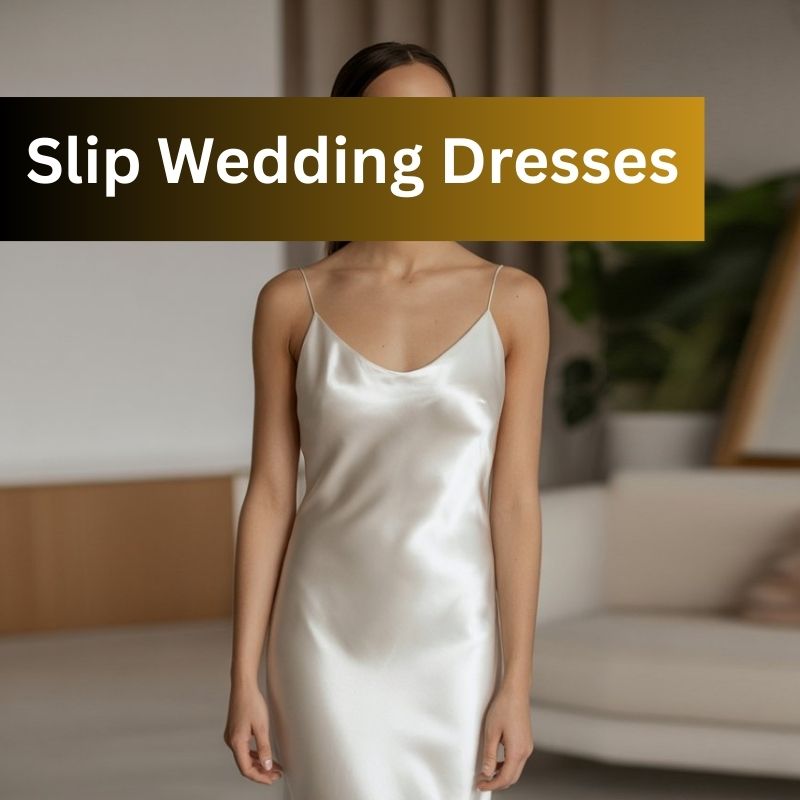
Before you even step into a bridal boutique, take a moment to reflect on your wedding style. Simple weddings come in many forms—rustic, bohemian, modern minimalism, or classic elegance—and each style influences the type of dress that will work best. For instance, a bohemian garden wedding might call for a flowing chiffon gown with delicate lace details, while a minimalist city hall wedding could benefit from a sleek satin slip dress with clean lines.
Matching your gown to your wedding style ensures cohesion in both your photos and your overall aesthetic. A dress that feels out of place in the context of your venue or decor can create subtle tension in the visual harmony of your day. Think about the energy you want to convey: Do you want effortless elegance? Casual sophistication? Whimsical charm? Identifying your vision early will guide your choices and save you from trial-and-error shopping experiences.
As someone who has coordinated countless weddings, I always encourage brides to create a mood board or collect inspiration images of dresses, venues, and overall wedding styling. This visual reference becomes invaluable during fittings, helping you articulate your preferences to bridal consultants and designers. Understanding your wedding style isn’t just about aesthetics—it’s about ensuring your dress complements the story you are telling on your special day.
Set a Realistic Budget – How Budget Impacts Dress Choice
One of the most practical yet often overlooked steps in choosing a wedding dress for a simple wedding is setting a clear budget. Your budget determines not only the designer or boutique options available to you but also the type of fabrics, customizations, and alterations you can realistically consider. A simple wedding doesn’t necessarily mean a cheap dress—it means making thoughtful, intentional choices that reflect your style without unnecessary extravagance.
When setting your budget, I recommend breaking it down into categories: the gown itself, alterations, accessories, and any potential preservation costs. Many brides focus solely on the price tag of the dress and forget that alterations can significantly add to the total cost. I’ve seen brides fall in love with a dress that is slightly over their initial budget, only to realize that tailoring and adjustments push it even higher. Planning for these costs upfront avoids stress and allows you to focus on the joy of dress shopping.
Additionally, understanding your budget can help you explore creative options. For example, renting a designer dress or choosing a sample gown can give you access to high-quality designs at a fraction of the cost. The key is to remain flexible and practical—simplicity in weddings often thrives on smart, intentional decisions rather than lavish spending.
Consider Your Body Shape – Flattering Silhouettes for Different Figures
Every bride deserves to feel confident and beautiful in her wedding dress, and understanding your body shape is essential in achieving that. Different silhouettes flatter different figures, and choosing a gown that enhances your natural proportions will make you feel comfortable and radiant. For simple weddings, where the focus is on understated elegance, selecting the right cut can make all the difference.
Here are some key silhouettes to consider:
-
A-line dresses: Universally flattering, flowing gently from the waist and offering comfort without sacrificing elegance.
-
Sheath dresses: Sleek and modern, perfect for minimalist weddings, but require confidence in movement.
-
Empire waist gowns: Ideal for petite brides or those seeking a flowing, ethereal look.
-
Ballgown silhouettes: While more traditional, they can work in a simple wedding if kept understated in fabric and embellishment.
As a professional, I always suggest trying multiple styles even if you feel certain ones might not suit your body type. Sometimes, the way a fabric drapes or the cut of a neckline transforms the overall effect. Comfort and confidence should guide your choice—your wedding dress should celebrate your figure, not disguise it.
Fabric and Comfort Matter – Choosing Materials That Suit a Simple Wedding
When it comes to simple weddings, the fabric of your dress is just as important as the cut or silhouette. Lightweight, breathable fabrics like chiffon, organza, crepe, or satin allow for movement and comfort throughout the day, which is essential for relaxed celebrations. Heavy or stiff fabrics can feel overwhelming, especially in intimate settings or outdoor venues, and may restrict your natural movement. I always advise brides to consider not only how the fabric looks but also how it feels against the skin.
Fabric choice also affects the overall mood of your wedding dress. A flowy chiffon gown evokes a sense of effortless romance, while a structured crepe dress delivers sleek sophistication. Even minimal details, like a subtle lace trim or delicate embroidery, can elevate a simple dress without compromising the understated aesthetic. Comfort shouldn’t be underestimated; I’ve seen brides spend their whole day adjusting tight gowns or heavy layers, which detracts from their enjoyment of the celebration. Prioritizing breathable, flexible fabrics ensures you remain confident and free to enjoy every moment.
Another factor to consider is maintenance. Some fabrics are more prone to wrinkles or require careful handling, which may not be ideal if your wedding includes outdoor elements or travel between venues. Choosing practical, elegant fabrics means you can move with ease, pose naturally for photos, and feel relaxed while walking down the aisle. A simple dress made from a high-quality, comfortable fabric often looks more polished than a fussy, ornate gown.
Keep Accessories Minimal – How Accessories Complement a Simple Dress
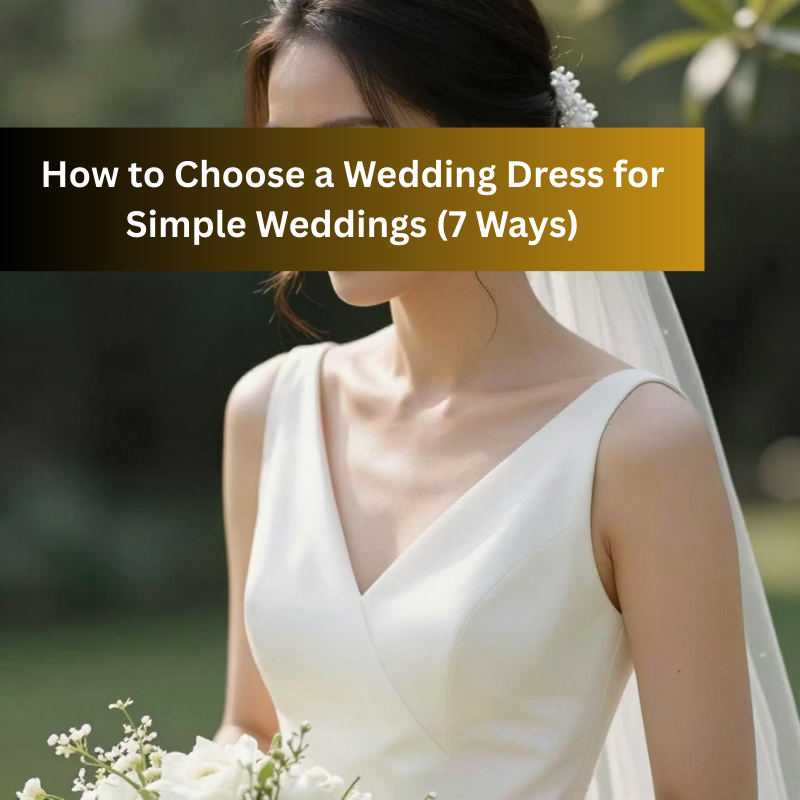
A simple wedding dress provides the perfect canvas for thoughtful, minimal accessorizing. Over-accessorizing can easily overpower a gown’s understated elegance, whereas carefully selected pieces can highlight your best features and tie your look together. I always recommend focusing on one or two statement elements rather than layering multiple pieces. For example, delicate earrings and a single bracelet can elevate a clean-line gown, while a subtle veil or hairpiece adds charm without distraction.
Shoes are another key accessory that requires attention. Comfort is crucial—after all, you’ll be standing, walking, and dancing throughout the day. Elegant flats, low heels, or even stylish sandals can complement a minimalist gown while keeping your comfort a priority. Bags and clutches should follow the same principle: small, practical, and harmonizing with your dress’s color and style.
Sometimes, less truly is more. Simple weddings allow the beauty of your gown and your natural features to shine. By keeping accessories minimal, you create a cohesive, timeless look that won’t feel dated in photos or memories. My advice to brides is always: choose pieces that feel personal and intentional, reflecting your style rather than following trends blindly.
Think About the Venue and Season – Practical Tips for Indoor, Outdoor, Summer, or Winter Weddings
Your wedding dress should also reflect your venue and season. A gown that works beautifully in a spring garden may not be practical for a winter chapel ceremony, and a heavy ballgown may overwhelm a beachside setting. As an experienced wedding decorator, I always tell brides to envision themselves in their full attire within their chosen environment—this helps avoid surprises and ensures comfort throughout the day.
For outdoor weddings, consider breathable fabrics and shorter hems or slits that allow movement over grass or uneven terrain. For formal indoor venues, you may opt for a slightly more structured gown with elegant draping or subtle embellishments that complement the space. Seasonality also plays a role: lightweight fabrics in summer and layered, cozy materials in winter help maintain comfort while looking chic. Practical considerations like these are part of designing a simple wedding that feels effortless and harmonious from start to finish.
Try on Dresses Early and Stay True to Yourself – Avoiding Trends and Focusing on What Feels Right
One of the most common mistakes I see brides make is leaving dress shopping too late or getting swayed by trends. Trying on dresses early gives you time to explore different styles, silhouettes, and fabrics without pressure. This is especially important for simple weddings, where the elegance of your gown should come from authenticity rather than complexity.
When shopping, I encourage brides to focus on how a dress feels rather than what is currently popular. Ask yourself: Does this gown make me feel confident? Can I move comfortably? Does it reflect my personality and the tone of my wedding? Trends come and go, but a gown chosen with intention will feel timeless. Bring a trusted friend or family member for honest feedback, but remember that the ultimate decision rests with you. Your comfort, confidence, and joy should guide every choice.
Conclusion & Final Tips – Summarizing the 7 Ways and Encouraging Confident Dress Choices
Choosing a wedding dress for a simple wedding is an opportunity to highlight elegance, personality, and comfort. By understanding your wedding style, setting a realistic budget, considering your body shape, prioritizing fabric and comfort, keeping accessories minimal, thinking about venue and season, and trying on dresses early, you set yourself up for a stress-free and joyful experience.
Simplicity doesn’t mean sacrificing beauty—it means focusing on intentional choices that reflect your vision and make you feel confident. Every detail, from the flow of the fabric to the subtle shimmer of a delicate accessory, contributes to a cohesive, timeless bridal look. As a wedding decorator, I’ve seen countless brides light up the room in gowns that are simple yet unforgettable. By following these strategies, you can choose a dress that allows you to enjoy your day fully, move freely, and feel radiant every step of the way.
Remember, your wedding dress should feel like a natural extension of you. When you choose with intention, consider comfort, and honor your style, simplicity transforms into sophistication, creating a look that will be remembered long after the last dance.