Planning your wedding outfits is one of the most exciting yet intricate parts of preparing for your big day. As a professional wedding decorator with years of experience, I can confidently say that the right attire does more than just look beautiful—it sets the tone for your wedding aesthetic and ensures that you feel confident and comfortable throughout the celebration. Many couples underestimate the impact of coordinated outfits, and I’ve seen how thoughtful planning transforms the entire vibe of a wedding.
Your wedding outfit is not just about individual beauty—it’s about harmony. The way your attire complements each other creates a visual story, enhancing your wedding photos and creating lasting memories. When you invest time in planning your wedding outfits thoughtfully, it reduces stress and ensures both of you step into your day with confidence.
Another critical reason to prioritize outfit planning is that your attire interacts with every element of your wedding, from the venue to the theme to your overall color palette. This is why I always advise couples to view outfit planning as a holistic part of the wedding design process, not just a shopping task.
Understanding Your Wedding Theme and Venue
Before you even step into a bridal shop or consult a designer, I always start by helping couples identify their wedding theme and venue. The style of your wedding—whether it’s a classic church ceremony, a beachfront celebration, or a modern city wedding—dramatically influences the choice of fabric, cut, and accessories for both partners.
For example, a beach wedding calls for lighter fabrics and more relaxed silhouettes, whereas a black-tie ballroom wedding demands structured, formal attire. Ignoring this step can result in outfits that clash with your wedding’s overall look, which is a common mistake I see first-time couples make.
When planning your outfits, consider not only the theme but also the setting and logistics of your venue. Outdoor weddings may require breathable fabrics and weather-appropriate choices, while indoor events allow more flexibility for intricate details and layering. The goal is to ensure that your attire complements the environment and enhances the atmosphere rather than feeling out of place.
Setting a Realistic Budget for Wedding Outfits
Budgeting for wedding attire is often a source of tension, but it doesn’t have to be. From my experience, couples who set a realistic budget early in the planning process enjoy a smoother shopping experience and avoid last-minute compromises. I always advise clients to include not just the main outfits but also accessories, shoes, and alteration costs in their budget.
When determining your budget, consider the following:
-
Prioritize quality over quantity: Investing in well-made pieces ensures longevity, comfort, and a polished look.
-
Account for alterations and customizations: These often exceed the initial price of the outfit but are crucial for a perfect fit.
-
Factor in seasonal sales or designer discounts: Timing your purchase can save you hundreds, sometimes even thousands of dollars.
A realistic budget doesn’t mean sacrificing style—it means making informed decisions that allow both partners to shine without financial stress. I’ve guided many couples through flexible budgeting strategies that achieve both elegance and practicality.
Coordinating Styles Between Bride and Groom
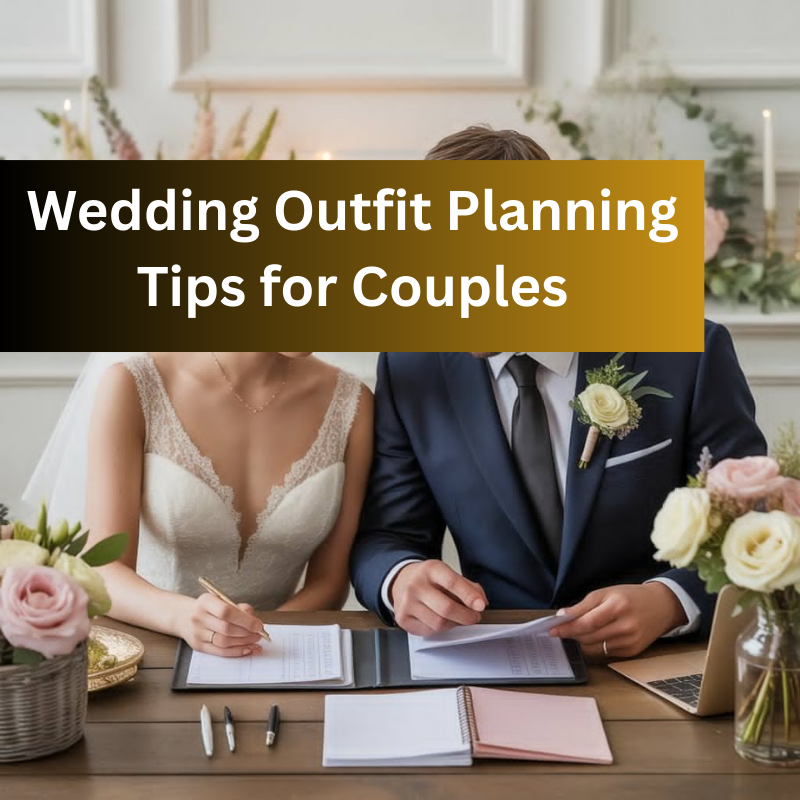
One of the most impactful aspects of wedding outfit planning is achieving harmony between the bride and groom’s attire. Coordinated styles elevate your wedding photos, create a sense of cohesion, and showcase your partnership in a subtle but powerful way.
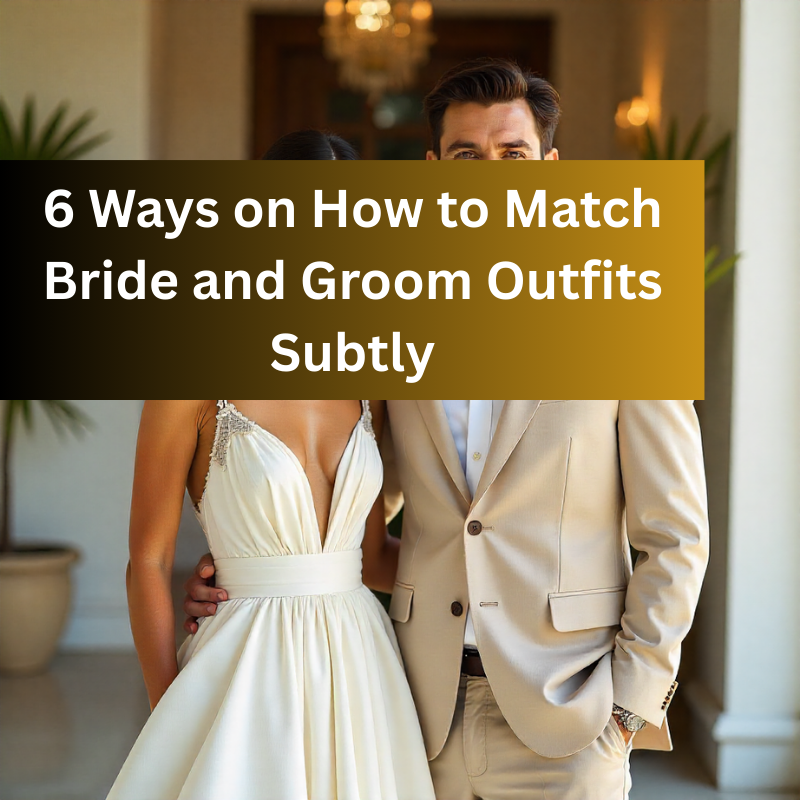
Coordination doesn’t mean matching head-to-toe; it’s about complementary tones, fabrics, and silhouettes. For instance, if the bride chooses a flowing, romantic gown, the groom might opt for a tailored suit with soft, elegant detailing rather than a rigid, formal tuxedo. Likewise, color accents like ties, pocket squares, or subtle embroidery can mirror the bride’s palette without being overwhelming.
From my perspective, couples who invest time in discussing and planning their outfit coordination often feel more connected and confident on their wedding day. This step is crucial for creating a polished and visually appealing presentation that impresses guests and looks timeless in photographs.
Choosing the Right Fabrics and Comfort Considerations
While style and aesthetics are critical, comfort should never be overlooked. I have seen many couples prioritize looks over comfort and end up spending their wedding day adjusting tight hems, heavy fabrics, or scratchy materials. Choosing the right fabrics ensures that both partners can move freely, enjoy every moment, and look radiant without distraction.
Consider fabrics that suit your season and venue:
-
Lightweight silks and chiffons for warm-weather or outdoor weddings
-
Velvet or satin blends for formal or winter weddings
-
Stretch fabrics for added comfort during long ceremonies or receptions
I always emphasize that comfort doesn’t compromise elegance. A well-chosen, breathable fabric can be just as luxurious as a heavy, ornate material, and it makes a huge difference in how confident and relaxed you feel throughout the day.
Timing Your Outfit Shopping and Fittings
Timing is everything when it comes to wedding outfit planning. From my experience, starting too late can lead to stress, rushed decisions, and even higher costs due to rush orders. I always recommend beginning your outfit search at least 6–9 months before the wedding, allowing ample time for selection, alterations, and unexpected adjustments.
Scheduling multiple fittings is equally important. Outfits can behave differently depending on your body’s movements, posture, and even weight changes leading up to the wedding. I often advise couples to plan for at least two to three fittings for each outfit, ensuring the final result is flawless. This also gives you time to make creative adjustments, like adding a delicate lace overlay or customizing a sleeve design without feeling rushed.
Another timing tip I emphasize is coordinating your outfit timeline with your overall wedding planning. Aligning with your wedding decorator, photographer, and even florist ensures that your color palette, textures, and style choices complement every aspect of your celebration.
Accessorizing and Complementing Each Other’s Looks
Accessories are the silent heroes of wedding attire. When chosen carefully, they elevate your outfits from beautiful to unforgettable. I encourage couples to view accessories as an extension of their personal style and a way to create subtle harmony between their looks.
For brides, accessories might include veils, jewelry, hairpieces, or belts that highlight the gown’s details. Grooms can mirror these choices through cufflinks, tie bars, or pocket squares that reflect the wedding palette. Coordinated accessories create cohesion without feeling forced.
I often suggest couples pick one or two accent elements to echo across both outfits. For example, if the bride wears rose gold jewelry, the groom could wear a matching watch or cufflinks. This attention to detail communicates thoughtful planning and adds a layer of sophistication to your wedding day presentation.
Handling Alterations and Customizations
Alterations can make or break your wedding outfit. No matter how beautiful an outfit is, a poor fit can detract from its elegance. From years of experience, I know that investing in professional tailoring is essential. I advise booking a trusted tailor early and scheduling multiple sessions to perfect the fit.
Customizations allow couples to personalize their attire, reflecting personality and style. This could mean adding lace appliqués, adjusting a gown’s hemline, or incorporating subtle embroidery in a groom’s jacket. Thoughtful customizations make your outfits feel unique, enhancing your wedding’s overall character and ensuring that your photos are timeless.
Tips for Seasonal and Weather-Appropriate Outfits
Seasonal considerations are often overlooked, but they significantly impact both comfort and aesthetics. I always guide couples to select fabrics, colors, and accessories appropriate for the weather. For instance:
-
Spring weddings: Light pastels, airy fabrics, and breathable materials
-
Summer weddings: Lightweight silks, chiffon, and sleeveless or short-sleeve options
-
Fall weddings: Rich, warm tones with layered fabrics for added warmth
-
Winter weddings: Velvet, satin, or heavier fabrics with elegant wraps or coats
Understanding your environment ensures that you stay comfortable and look effortlessly elegant. Planning with the season in mind also helps photographers capture the natural beauty of your attire against the backdrop of your wedding setting.
Avoiding Common Outfit Planning Mistakes
Many couples unintentionally make mistakes that affect their comfort, style, and confidence on their big day. From my experience, the most common pitfalls include:
-
Waiting too long to start shopping, leading to rushed decisions
-
Ignoring the wedding theme or venue when choosing outfits
-
Neglecting alterations or customizations
-
Overlooking the importance of coordinated colors and styles
-
Prioritizing aesthetics over comfort
By anticipating these challenges and planning proactively, couples can avoid unnecessary stress and enjoy the process of selecting outfits that truly reflect their personalities and the spirit of their wedding.
Expert Advice: Working with Designers and Stylists
Working with professional designers and stylists can transform your wedding outfit experience. From my perspective, expert guidance ensures that your attire aligns with your vision, fits perfectly, and complements your wedding’s overall aesthetic. Designers bring creativity and technical skill to tailor outfits that highlight your best features, while stylists offer advice on coordinating looks, choosing accessories, and achieving cohesive results.
If budget allows, consider booking a session with a stylist to plan a complete look. Their insight can save you time, prevent costly mistakes, and elevate your outfit beyond what you may achieve on your own. Even small consultations can provide valuable direction for your color palette, fabric choices, and accessory coordination.
Conclusion:
Your wedding outfits are more than just clothes—they’re a reflection of your love, style, and attention to detail. Thoughtful planning, careful coordination, and expert guidance ensure that both partners feel confident, comfortable, and radiant on their wedding day.
By following these tips, you not only achieve beautiful attire but also create harmony that enhances your entire celebration. Every fabric choice, fitting, and accessory contributes to a day that feels seamless and extraordinary. As an experienced wedding decorator, I can confidently say that couples who invest in proper outfit planning experience a more joyful, stress-free, and visually stunning wedding celebration.