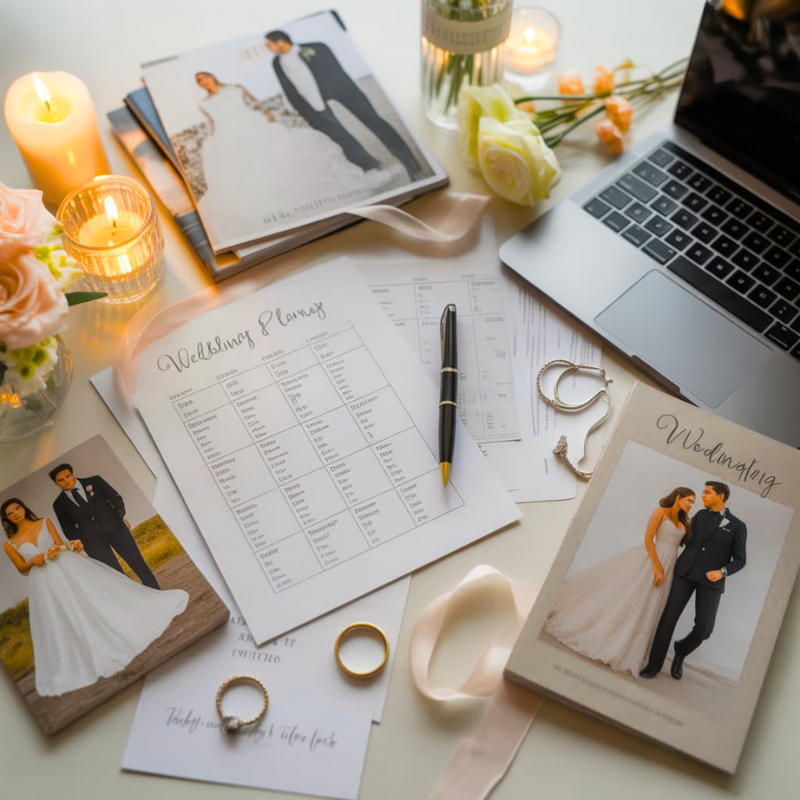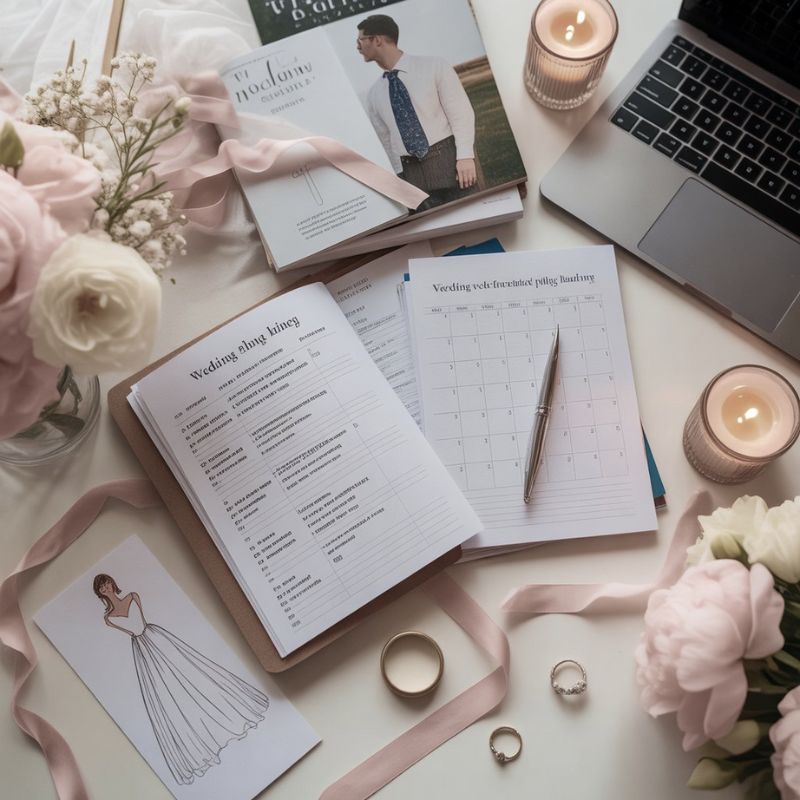
Planning a wedding can feel like trying to juggle a hundred things at once. As a professional wedding decorator who has worked with countless couples, I have seen firsthand how overwhelming the process can become without a clear plan. That’s why having a detailed wedding planning checklist is not just helpful—it’s essential. It acts as a roadmap, guiding you step by step through the myriad of decisions and tasks that a wedding demands.
When couples feel overwhelmed, the stress often comes from uncertainty—what needs to be done first, how to stick to a budget, and how to keep all vendors and appointments organized. A checklist simplifies this by breaking the planning into manageable pieces. It ensures nothing is forgotten, from booking your venue to finalizing your seating chart. Most importantly, it allows couples to focus on the joy of the experience rather than the chaos.
By following a checklist tailored to overwhelmed couples, you not only save time and reduce stress but also create space to enjoy the creative and fun aspects of wedding planning. From selecting décor and floral arrangements to coordinating timelines, having a clear plan empowers you to make confident decisions.
Understanding the Overwhelm: Common Challenges in Wedding Planning
Overwhelm during wedding planning is more common than most people realize. Couples are often faced with multiple tasks at once: choosing the perfect dress, securing a venue, managing guest lists, coordinating vendors, and juggling personal and professional lives. Without a structured approach, these responsibilities can easily pile up, leading to decision fatigue.
Another major challenge is the pressure to meet expectations. Social media and wedding magazines make it seem like every wedding must be picture-perfect, which adds unnecessary stress. I always advise couples to focus on their priorities rather than trying to please everyone. Understanding the root causes of overwhelm allows you to tackle them strategically.
Additionally, some couples struggle with time management. Planning a wedding while maintaining careers, family commitments, or long-distance coordination can feel impossible. That’s why a checklist not only organizes tasks but also provides a timeline, helping couples stay on track and make efficient decisions. Recognizing these challenges early makes the process far more manageable and even enjoyable.
Setting Priorities: What to Focus on First
When you are feeling overwhelmed, the key is to identify what matters most. I recommend starting with three primary areas: budget, venue, and guest list. These elements shape nearly every other decision in the planning process.
Budgeting first ensures that all choices align with what you can realistically afford. This prevents overspending and helps allocate funds wisely across categories like catering, décor, attire, and entertainment. Next, securing the venue is crucial because availability often dictates the date of your wedding. Once the date and location are set, everything else can be scheduled around them.
The guest list is another priority that influences both budget and venue decisions. Finalizing who will attend helps you determine catering numbers, seating arrangements, and invitation design. By focusing on these core elements first, the rest of the planning becomes much more manageable.
Creating a Realistic Timeline: Month-by-Month Wedding Planning
A structured timeline is a lifesaver for overwhelmed couples. Breaking down planning into months prevents last-minute chaos and ensures every task is completed on schedule. For example, I often advise couples to begin with big-picture tasks—selecting a venue, booking vendors, and establishing a budget—six to twelve months before the wedding.
Three to four months prior, the focus shifts to detailed planning: finalizing invitations, arranging décor, selecting attire, and coordinating hair and makeup trials. During the final month, it’s all about confirming logistics, running through timelines, and ensuring vendors are aligned. A month-by-month plan creates a rhythm and prevents the feeling of being pulled in every direction at once.
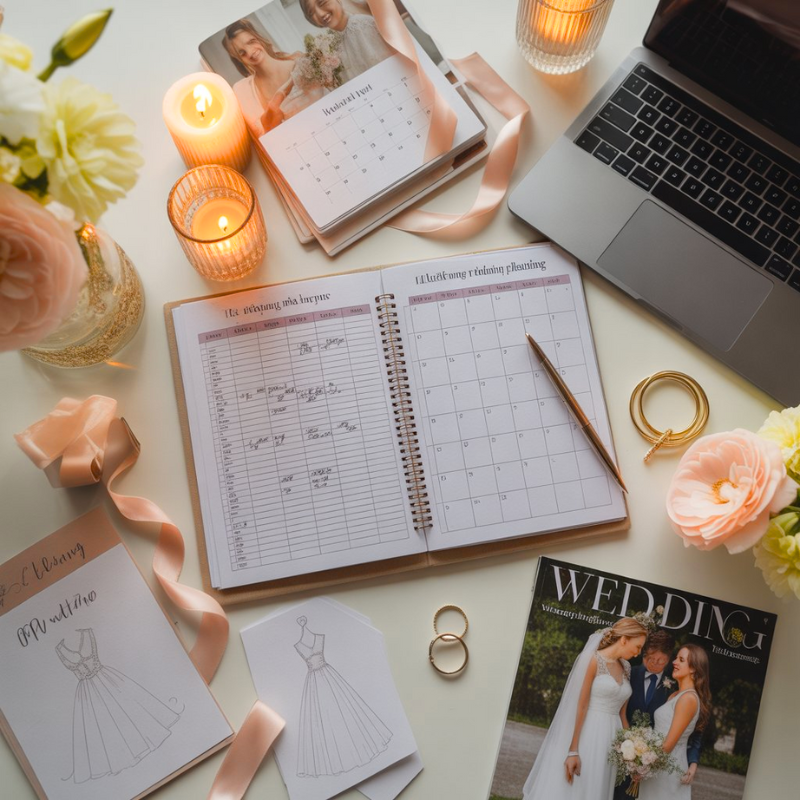
To make this even easier, consider creating a visual checklist or spreadsheet that lists tasks with deadlines. This ensures nothing slips through the cracks and provides a satisfying sense of progress as each item is completed.
Budgeting Made Simple: Tracking Costs Without Stress
Budgeting is often the most stressful aspect of planning a wedding. I’ve worked with couples who start without a clear budget and end up overwhelmed by unexpected expenses. A practical approach is to categorize costs into essentials (venue, food, attire), extras (florals, décor, entertainment), and contingencies (emergency funds, last-minute additions).
Tracking expenses digitally or on a spreadsheet is highly effective. For example, I create a table for couples that breaks down every category, the estimated cost, the actual cost, and the remaining balance. This not only keeps spending transparent but also allows for adjustments when needed.
Here’s a simple table example for visual clarity:
| Category | Estimated Cost | Actual Cost | Notes |
|---|---|---|---|
| Venue | $5,000 | $4,800 | Deposit paid |
| Catering | $3,500 | $3,700 | Menu finalized |
| Décor | $2,000 | $1,900 | Centerpieces DIY |
| Attire | $1,500 | $1,400 | Includes dress & suit |
| Contingency Fund | $500 | $0 | Reserved for last-minute needs |
A clear, organized budget prevents unnecessary stress and helps couples make decisions with confidence.
Choosing Your Venue and Vendors Efficiently
Selecting the right venue and vendors is a crucial step that can set the tone for your entire wedding. As someone who has coordinated countless weddings, I always tell couples to start with the venue because it often dictates the style, size, and even the season of your wedding. When touring venues, consider logistics such as accessibility, parking, capacity, and the availability of essential services like catering or décor setup. Don’t hesitate to ask questions and take notes—it’s easy to forget small but important details in the excitement.
Vendors are equally important, and choosing them wisely can save you a lot of stress. For catering, photographers, florists, and entertainment, I recommend booking early to ensure availability, especially during peak wedding seasons. I also advise couples to read reviews, ask for portfolios, and schedule consultations. Building a strong relationship with your vendors can turn potentially stressful decisions into smooth, collaborative experiences.
It’s important to remember that efficiency here doesn’t mean rushing. Instead, focus on prioritizing vendors based on what matters most to you—whether it’s capturing timeless photos, having exquisite food, or designing a stunning décor setup. Once you know your priorities, the selection process becomes much clearer.
Guest List Management: How to Keep It Organized
One of the most challenging tasks for overwhelmed couples is managing the guest list. Without a system, it’s easy to lose track of RSVPs, dietary preferences, or seating arrangements. I always suggest starting with a master spreadsheet or digital tool that tracks every detail about your guests. Include columns for contact information, RSVP status, meal preferences, and even gift tracking if needed.
It’s also important to establish rules early—deciding how many plus-ones to allow or whether to include distant relatives can prevent conflicts later. I’ve noticed that couples who address these details upfront avoid confusion and reduce last-minute stress. Seating charts can be finalized later, but having all the guest information in one organized place makes this much simpler.
For couples managing a large number of guests, consider delegating a few tasks to trusted friends or family members. Even small delegations, like confirming RSVPs or managing table assignments, can relieve significant stress. Keeping the guest list organized ultimately ensures that everyone feels accounted for and that your day flows seamlessly.
Attire Decisions: Wedding Dress, Suit, and Accessories
Choosing attire can feel like one of the most personal and high-pressure aspects of wedding planning. I often see couples overwhelmed by the variety of options, timelines for fittings, and coordinating styles between the bridal party and groomsmen. My advice is to start with the bride’s dress and the groom’s suit, as these decisions often influence colors, décor, and even floral arrangements.
Schedule fittings early, and allow plenty of time for alterations—rushing at the last minute can create unnecessary anxiety. Don’t forget accessories, shoes, and jewelry, as these details complete the overall look. Coordination between the bridal party is also essential, so everyone feels comfortable and cohesive on the big day.
Remember, your wedding attire should reflect your personality and comfort, not just trends. Overwhelmed couples often find that focusing on what feels right for them personally, rather than trying to meet external expectations, brings the most joy and confidence during the wedding day.
Wedding Day Essentials: Timeline, Rehearsal, and Coordination
Creating a detailed wedding day timeline is vital for ensuring the day runs smoothly. I always work with couples to break the day into segments—from hair and makeup to ceremony, photos, and reception activities. Knowing what happens when helps vendors stay coordinated and ensures the couple can enjoy each moment without stress.
Rehearsals are equally important. They familiarize the bridal party with logistics, timing, and responsibilities, reducing surprises on the day itself. I recommend scheduling a rehearsal dinner, even if small, to walk through the ceremony flow and iron out any last-minute details.
Coordination also includes contingency plans. From unexpected weather changes to vendor delays, preparing for potential issues prevents panic. I often encourage couples to designate a point person—whether a wedding planner, family member, or trusted friend—who can handle emergencies so that the couple can stay present and enjoy their special day.
Tips for Staying Sane: Self-Care and Delegation
Wedding planning is demanding, and taking care of yourself is just as important as checking tasks off your list. I always tell couples that self-care is non-negotiable. Schedule breaks, exercise, or even short vacations during the planning process to recharge. Stress can cloud judgment and make decision-making more difficult, so prioritizing mental and physical well-being is essential.
Delegation is another lifesaver. Many overwhelmed couples try to do everything themselves, but this often leads to burnout. Assign tasks to your bridal party, family members, or trusted friends. Even small responsibilities—like tracking RSVPs, arranging décor setup, or coordinating transportation—can make a huge difference.
Mindset also matters. Focus on the big picture and remember that perfection is not the goal—joy is. Couples who embrace flexibility and celebrate small victories along the way often feel more accomplished and less stressed.
Digital Tools and Apps to Simplify Planning
Technology can be a game-changer for overwhelmed couples. There are countless apps and platforms designed specifically for wedding planning. From budgeting apps to guest list managers, digital tools streamline tasks that would otherwise take hours to manage manually.
For example, I often recommend apps that allow couples to track budgets, create timelines, share documents with vendors, and store inspiration boards. Collaborative tools are particularly useful when multiple people are involved in decision-making. By leveraging technology, you save time, reduce mistakes, and have all your planning resources in one convenient place.
Printable or Downloadable Checklist for Quick Reference
A final, practical step is creating a printable or downloadable checklist. This serves as a quick reference for daily and weekly tasks, keeping planning organized and stress-free. I always encourage couples to maintain both digital and physical copies so they can check off items regardless of location.
Having a checklist at your fingertips reduces anxiety because it provides clarity on what’s next. Overwhelmed couples often find comfort in ticking off completed tasks, transforming what feels like a mountain of responsibilities into achievable steps. It’s a simple tool, but one of the most powerful ways to maintain control and stay on track.
Conclusion: Taking Control and Enjoying the Journey
Planning a wedding doesn’t have to be overwhelming. With a structured checklist, clear priorities, and strategic delegation, couples can approach the process with confidence and excitement. As a wedding decorator with years of experience, I’ve seen how couples who embrace organization and focus on what truly matters are the ones who enjoy the journey most.
Remember, the checklist is your roadmap, but the heart of your wedding lies in the moments you share with loved ones. By using this guide, couples can reduce stress, stay organized, and create a celebration that’s not only beautiful but also meaningful. Ultimately, planning a wedding should feel less like a chore and more like an experience you cherish forever.