Planning a wedding is already a significant undertaking, but compressing it into a three-month engagement can feel overwhelming. Many couples believe that a long engagement is necessary to pull off a seamless celebration, but in my experience as a professional wedding decorator, a well-structured plan and a focused approach can make a 3-month timeline not just possible but incredibly exciting. The key is prioritization, strategic organization, and making smart choices about what truly matters for your big day.
A short engagement forces you to focus on essentials and eliminate unnecessary stress. Instead of getting bogged down by every minor detail, you learn to allocate your time and resources efficiently. From selecting your venue to finalizing the décor, every decision becomes intentional. With the right mindset, this whirlwind timeline can lead to a beautifully memorable wedding that feels personal, elegant, and perfectly executed.
Understanding a 3-Month Wedding Planning Timeline
A three-month engagement timeline may sound intimidating, but it actually provides a clear structure when approached methodically. Unlike traditional 12-month planning guides, the condensed timeline requires you to move quickly while still making thoughtful decisions. I always tell couples that the first step is to define your wedding vision clearly. Ask yourself: what elements are non-negotiable? What compromises are acceptable? Your answers will guide every subsequent choice.
During this period, flexibility is your best friend. You may not get every vendor or décor item exactly as imagined, but I’ve found that prioritizing your top three elements—whether it’s the venue, photography, or the floral arrangements—ensures your wedding feels cohesive and luxurious despite the tight schedule. It’s a balancing act between efficiency and creativity, and with a focused approach, you can create a wedding that rivals even those planned over a year.
Month 1: Key Tasks to Kickstart Your Wedding Planning
The first month is all about laying the foundation. This is where decisive action is crucial. Start with selecting your venue, as availability in a short engagement can be limited. Many venues require only a few months’ notice, but popular spots may already be booked. I recommend having a few backup options and being ready to commit quickly once you find the perfect space.
Next, focus on your guest list. A smaller, more intimate guest list often works best for a 3-month engagement, reducing stress and logistical complexity. At this stage, I also suggest hiring your core vendors: photographer, caterer, and officiant. These are the pillars of your wedding experience, and securing them early ensures your day runs smoothly.
Once the essentials are set, you can begin exploring décor themes, color palettes, and floral inspirations. Even if you haven’t finalized every detail, gathering ideas early allows your vendors to start sourcing and planning efficiently. This is also the perfect time to schedule tastings, dress fittings, and engagement photos if desired. Efficiency and early decision-making are the keys to transforming what could be a rushed process into a streamlined, organized plan.
Month 2: Booking Vendors and Finalizing Details
The second month is about solidifying the wedding framework. By now, your major vendors should be booked, allowing you to focus on smaller but equally impactful elements like entertainment, floral arrangements, and décor. I always emphasize that in a tight timeline, collaboration with vendors is critical. Share your vision clearly and lean on their expertise to suggest solutions that save time and reduce stress.
This month also involves finalizing invitations and sending them out as early as possible. While digital RSVPs are acceptable, a quick paper invite can make your wedding feel more personal. In parallel, start confirming details such as menu selections, table layouts, and lighting plans. These details define the guest experience and set the tone for the atmosphere you are aiming for.
It’s also wise to start thinking about your wedding day schedule. Work with your planner—or if you are managing the plan yourself, with your vendors—to create a realistic timeline that ensures the day flows seamlessly. With so many moving pieces, a clear schedule helps prevent surprises and last-minute chaos. By the end of month two, your wedding should feel tangible, with most of the major components locked in and only minor adjustments left to handle in the final month.
Month 3: Last-Minute Preparations and Rehearsals
The final month of your 3-month engagement is where everything comes together. By this stage, most of your major decisions should be finalized, and now it’s about refining the details and ensuring that every piece aligns with your wedding vision. One of the most important tasks in this month is scheduling your rehearsal. Rehearsals allow the wedding party to understand their roles, timing, and positioning, which significantly reduces stress on the big day.
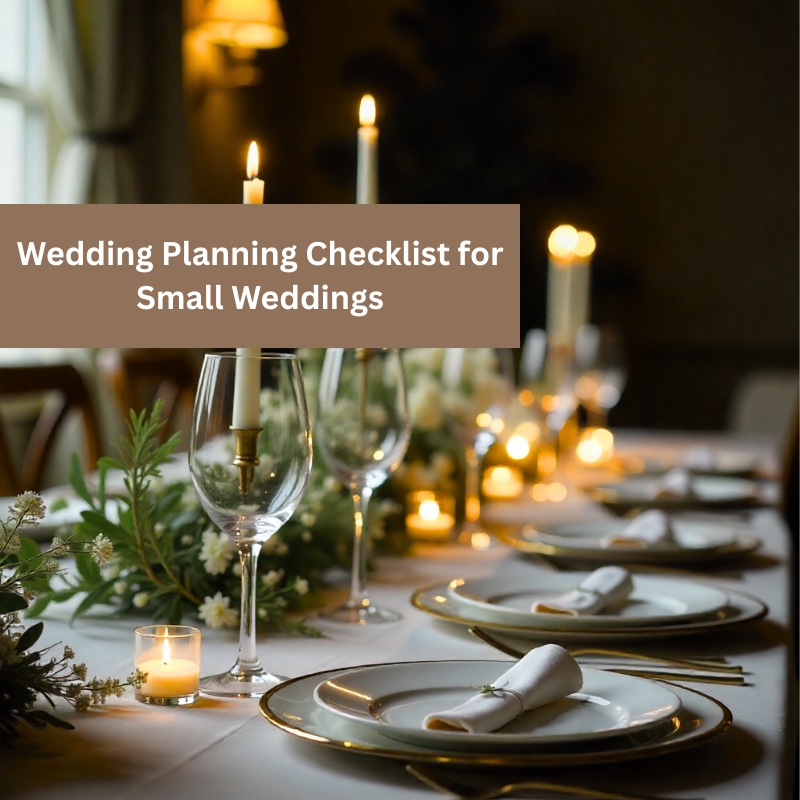
During this month, focus on confirming final counts with your caterer, arranging seating charts, and checking in with all your vendors. Communication is crucial: send reminders, reconfirm delivery times, and ensure everyone is clear on expectations. For décor, this is the time to finalize table settings, signage, and any personalized touches that make your wedding unique. As someone who has coordinated countless weddings, I’ve found that even small details—like well-placed candles or customized napkin rings—can elevate the overall atmosphere and make the day feel polished and intentional.
Additionally, this month is about preparing for emergencies and contingencies. Create a wedding-day emergency kit with essentials like safety pins, extra makeup, or a mini sewing kit. Discuss potential last-minute adjustments with your vendors, so they are prepared to handle unexpected changes. While it might feel intense, keeping organized and proactive ensures that your final month is productive, not panic-filled.
Tips for Staying Organized During a Short Engagement
Staying organized during a compressed timeline is critical. I always advise couples to use a centralized planning method, whether it’s a digital app, spreadsheet, or dedicated wedding binder. Keeping all your contacts, contracts, and timelines in one place prevents confusion and helps you track progress at a glance.
Another tip is to prioritize tasks based on impact. Not everything has equal weight, and focusing on high-impact elements like your venue, photography, and catering ensures your wedding delivers the experience you envisioned. Consider delegating smaller tasks to trusted friends or family members. This not only eases your workload but also keeps those closest to you involved in meaningful ways.
Finally, scheduling short but consistent planning sessions can make the process manageable. I recommend dedicating specific days or evenings each week to tackle different areas—such as décor, attire, or vendor communications. Consistency reduces the feeling of being overwhelmed and ensures steady progress.
Prioritizing What Matters Most in a Compressed Timeline
A 3-month engagement is an opportunity to focus on what truly matters. Many couples get caught up in trends or extravagant extras, but in a condensed timeline, simplicity and intentionality reign supreme. Ask yourself: which aspects of the wedding will have the most lasting impact on you and your guests?
I’ve seen couples create extraordinary weddings by prioritizing three key areas: the atmosphere, the guest experience, and the emotional moments. For instance, even if floral arrangements are minimal, strategically placed décor and lighting can create a breathtaking ambiance. Similarly, focusing on high-quality catering and photography ensures that your guests enjoy the day and that memories are captured beautifully. By prioritizing purposefully, you can create a wedding that feels abundant and luxurious without feeling rushed.
Common Mistakes to Avoid When Planning a Wedding Quickly
When planning a wedding in three months, certain mistakes can escalate stress unnecessarily. One common error is overcomplicating the guest list. A large number of attendees can strain logistics, especially with limited planning time. Keeping the guest list intimate allows for smoother coordination and more meaningful connections.
Another mistake is delaying vendor confirmations. Popular vendors fill up fast, and waiting too long can limit your options or lead to compromises that don’t align with your vision. Additionally, attempting to DIY too many elements at the last minute can create unnecessary stress and reduce the quality of the final outcome. I advise focusing DIY efforts on small, manageable projects that enhance the wedding experience without overloading your schedule.
How to Reduce Stress and Enjoy the Process
Even with a tight engagement, it’s possible to enjoy the journey rather than just survive it. One of my favorite strategies is to integrate moments of joy into planning. For example, dress fittings, venue walkthroughs, or tasting sessions can be treated as mini-celebrations rather than tasks. This mindset transforms planning from a chore into a meaningful experience.
I also recommend mindfulness techniques and scheduled breaks to avoid burnout. Planning a wedding is exciting, but it can be physically and emotionally taxing. Regularly stepping back, reflecting, and celebrating completed milestones keeps motivation high and prevents overwhelm. Remember, your wedding is a reflection of your love story. Maintaining joy and calm during the planning ensures that the energy on your big day is radiant, positive, and unforgettable.
Conclusion: Making a 3-Month Engagement Wedding Successful
Planning a wedding in just three months is entirely feasible with clear priorities, organized workflows, and proactive communication. By focusing on essentials, leaning on professional expertise, and keeping your vision central, you can create a day that feels both polished and heartfelt. The compressed timeline often leads to creative solutions and purposeful decisions, resulting in a wedding that is uniquely yours.
Ultimately, a short engagement doesn’t mean a less meaningful wedding. With careful planning, attention to detail, and an intentional approach, a three-month engagement can produce a celebration that is elegant, joyful, and unforgettable. Every decision you make, from selecting vendors to finalizing décor, contributes to a seamless and beautiful day that you and your guests will cherish for years to come.